As a publicist and brand strategist across the beauty, fashion, wellness and lifestyle industries, Lorinda Voges has built campaigns and cultural moments for some of the largest brands operating in South Africa: Revlon, Elizabeth Arden, Creme of Nature, Tommy Hilfiger, Calvin Klein, Kiko Vitals, NeoStrata and Heliocare among them; alongside locally founded brands, entrepreneurs and South African talent.
Elvee Consultancy works across beauty, fashion, wellness and lifestyle categories in which women are not simply consumers, but powerful drivers of culture, conversation and purchasing behaviour.
After fifteen years making brands impossible to ignore, Lorinda is redefining what success looks like on her own terms. Just as she has evolved and changed, a lot has also changed in her ever evolving and often misunderstood industry. We wanted to find out from her point of view and experience what makes a successful African, founder led agency in 2026, what it takes to have longevity and the relationship between brands, agencies and consumers.
Enjoy our chat with Lorinda below:
You’ve spent more than 15 years building visibility for brands, talent and businesses. What initially drew you to PR?
Long before I knew what PR was, I was drawn to storytelling and to the idea of making people pay attention to something I believed was worth noticing. At 12, I was head prefect of media at school and running a school magazine, so communication was already part of how I naturally moved through the world.
My professional career began in brand and marketing roles, first with Café Vacca Matta in Cape Town and later as National Brand Manager for Fashion TV South Africa. Those years taught me how exciting it is to build a brand people want to experience, not simply buy from.
The real turning point came around 2013 when I worked on the South African launch of Tommy Hilfiger. I loved the combination of media, events, influence, relationships, creativity and brand experience. PR gave me a way to bring all of those worlds together.
What still keeps me in it today is the human side. At its best, PR is not simply publicity. It is understanding people, recognising what matters to them and finding a meaningful way for a brand or idea to enter that conversation.

What did working inside those large brand ecosystems teach you about building brands that people genuinely care about?
It taught me that brand recognition and brand affection are two very different things.
Large international brands often arrive with incredible heritage, global campaigns and strong visual identities. But none of that automatically guarantees relevance in South Africa. People care when a brand understands the world they live in and engages with it respectfully.
Working across international and local brands has made me very conscious of the difference between translating a campaign and translating a brand’s meaning. You have to understand the local consumer, culture, humour, beauty ideals, conversations and communities without losing what makes the brand itself distinctive.
The brands people genuinely care about are also consistent. They do not suddenly discover a community when there is a product to sell. They invest in relationships over time. That is where trust comes from.
What did success look like to you earlier in your career, and what does it look like now?
Earlier in my career, success looked like momentum. I wanted the next opportunity, the bigger brand, the busier diary, the impressive event and the feeling that everything was moving.
I still have enormous ambition, but I no longer measure it by how much I can carry.
Success today is being able to produce work I am proud of without losing myself in the process. It is having clients who trust me, relationships that have lasted for years, financial sustainability, creative freedom and the ability to choose work that feels aligned.
It is also impact. Did the work create a real connection? Did somebody feel seen? Did we open a door, start a conversation or bring people together?
And increasingly, success includes peace. I want to build a business that performs, but I also want a life I am present enough to enjoy.
The communications industry often rewards being constantly available and busy. When did you start questioning that culture for yourself?
I started questioning it when I realised that being the person who could always make a plan had quietly become an expectation, including an expectation I placed on myself.
This industry can make urgency feel like importance. Your phone never really stops; there is always another launch, crisis, request or deadline, and being endlessly available can start to look like commitment.
At some point I had to ask whether constantly being able to carry more meant I should keep carrying more. I realised I did not want exhaustion to become part of my professional identity.
I still work incredibly hard, and there are periods when events and launches are intense. The difference is that I no longer want permanent urgency to be my business’s operating system. Boundaries are not me caring less about the work. They are part of making sure I can continue doing the work well for a very long time.
What are some of the things you say no to today that an earlier version of Lorinda would have automatically said yes to?
I say no more easily to manufactured urgency, work that does not respect the people required to deliver it, and opportunities that look good externally but are wrong for me internally.
The younger version of me often began with, ‘How can I make this work?’ Today I first ask, ‘Should this work, and does it support my values and nervous system?’
I am also far more conscious of the culture around a project. I do not believe someone’s title gives them permission to disrespect a junior, supplier, creator or anyone else involved in making the work happen. Exceptional work should never require people to feel small.
I am less willing to sacrifice every personal boundary because someone else planned badly, and I am more comfortable walking away from work where there is no trust or mutual respect.
That has probably been one of my biggest shifts: understanding that saying no doesn’t close a door. Sometimes it is protecting the direction you have chosen.
What have 15 years of working closely with women taught you about how brands should speak to them?
That women do not need to be simplified in order to be marketed to.
Women are complex, discerning and deeply aware of when a brand is performing empowerment rather than practising it. We can be ambitious and exhausted, confident and uncertain, deeply interested in beauty and equally serious about our careers, families, spirituality, finances and the world around us.
Brands sometimes speak to ‘women’ as though that is a single personality type. It is not.
I think the better question is not, ‘How do we speak to women?’ but, ‘How do we listen to the particular women we want a relationship with?’
When brands listen properly, the work changes. It becomes less about telling women who they should be and more about recognising who they already are.
What do brands still misunderstand about consumers and communities?
That an audience is not automatically a community.
You can buy reach. You can build a large follower count. You can put hundreds of people into a room. None of those things necessarily means people feel connected to the brand or to one another.
Community requires reciprocity. People need a reason to participate, not just consume. They need to feel heard, valued and recognised. And the relationship cannot only exist when the brand needs something from them.
I also think brands underestimate how quickly consumers recognise transactional behaviour. If every interaction eventually leads back to ‘buy this’, people feel it.
The brands that will build stronger communities are the ones willing to ask what they can contribute, facilitate, or create for people, rather than what they can extract from their attention.
What makes a campaign move beyond being a marketing exercise and become something that people actually feel connected to?
There has to be a human truth at the centre of it.
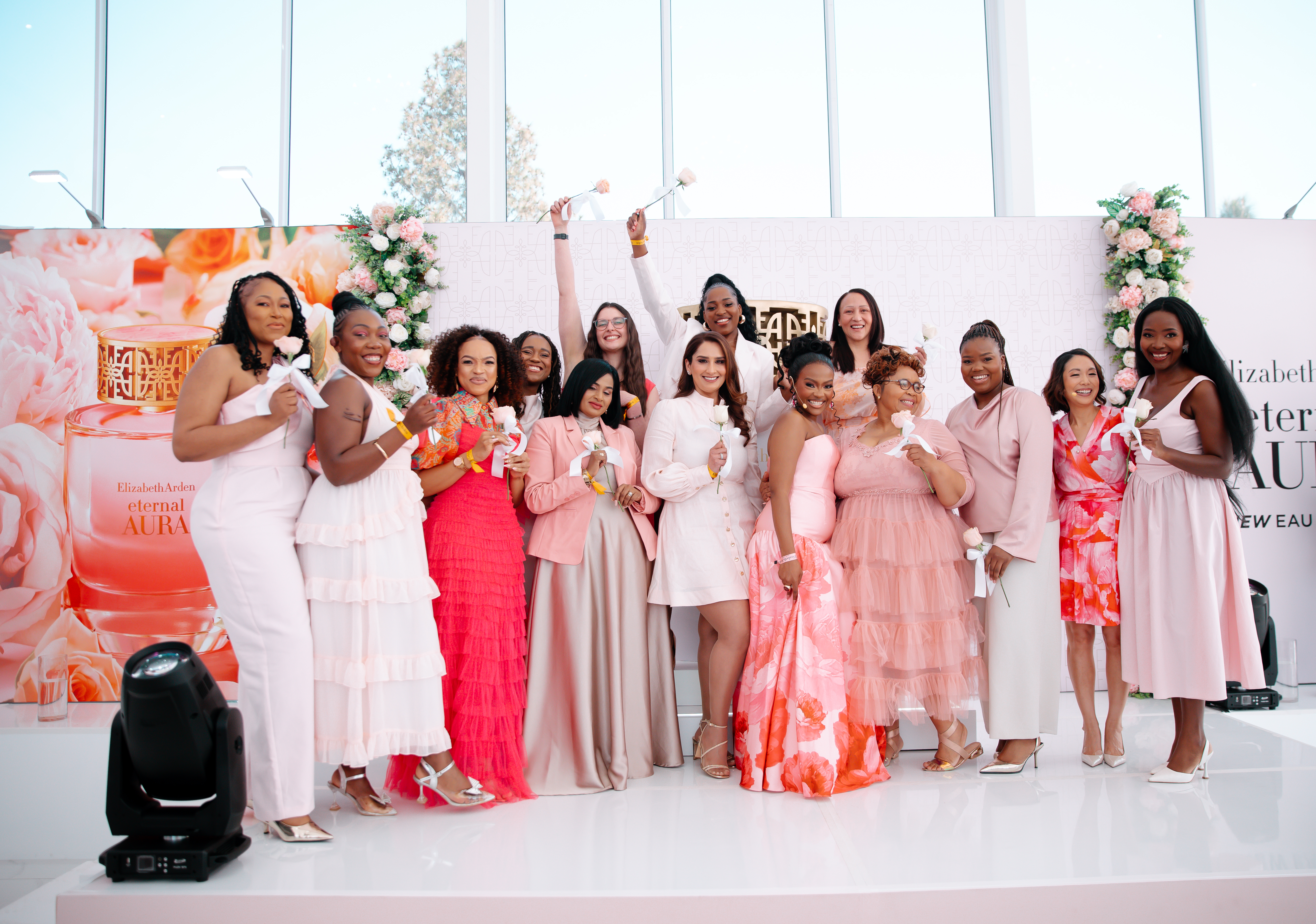
For Elizabeth Arden’s “Let Your Aura Bloom” campaign, the product was fragrance, but the emotional idea was women recognising and honouring other women. With “Revlon x GLAMOUR Unforgettable Cover Girl”, we were promoting beauty and a story, while also giving an everyday South African woman access to a platform traditionally associated with celebrities and public figures.
Those ideas gave people something to participate in emotionally.
A campaign becomes meaningful when the brand is no longer the only protagonist. The people become part of the story.
That does not mean commercial objectives disappear. We are still here to build brands and deliver results. But the strongest campaigns find the intersection between what the brand needs and something people genuinely care about. That is where connection happens.


Do you think brands are becoming more interested in community because traditional measures like reach and impressions no longer tell the whole story?
Yes, although I think we need to be careful that ‘community’ does not simply become the next marketing buzzword.
Reach and impressions are useful measures, but they tell you that someone had the opportunity to see something. They do not tell you whether they trusted it, remembered it, spoke about it, returned to it or felt part of it.
Community gives us a different kind of value: depth.
The challenge is that depth is harder to put into a neat spreadsheet. Relationships develop over time. Trust is cumulative. Someone attending a brand experience today may become a loyal advocate two years from now, and the original interaction will never receive credit for that in a traditional report.
I think the industry needs both. We should measure visibility, but we also need to become much better at recognising relationship equity and long-term affinity.
What does meaningful community-building look like from an agency perspective?
For me, it starts before the campaign brief.
It means knowing the people in the ecosystem, not only when you need them. Media, creators, consumers, suppliers, cultural partners and clients are all part of that ecosystem.
Then, when we create something, I ask what people are actually getting from being there. Did they meet someone? Learn something? Feel recognised? Discover an opportunity? Have a conversation they would not otherwise have had?
I want Elvee to create more spaces where women can connect with one another in that way. Not simply rooms full of people taking content, but environments where relationships can begin.
And community-building has to exist internally too. I care deeply about respect in the workplace. Whether someone is the client, the founder, the intern, the photographer or the person setting up the venue, they should feel valued. We cannot credibly talk about community externally while creating hierarchy and disrespect behind the scenes.
What are the warning signs that tell you a brand is forcing itself into a cultural conversation it doesn’t genuinely belong in?
The first warning sign is when the cultural idea appears after the brand idea has already been completed.
If the conversation is, ‘How do we make this feel African?’ or ‘Which cultural reference can we add?’, you are usually already in dangerous territory.
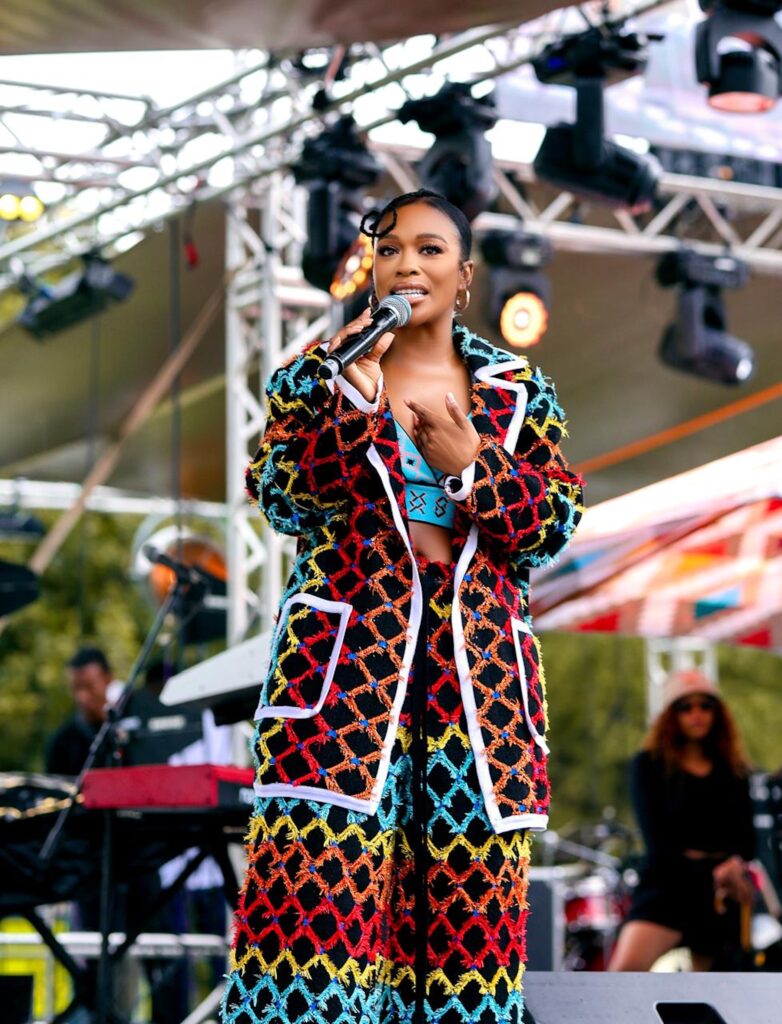
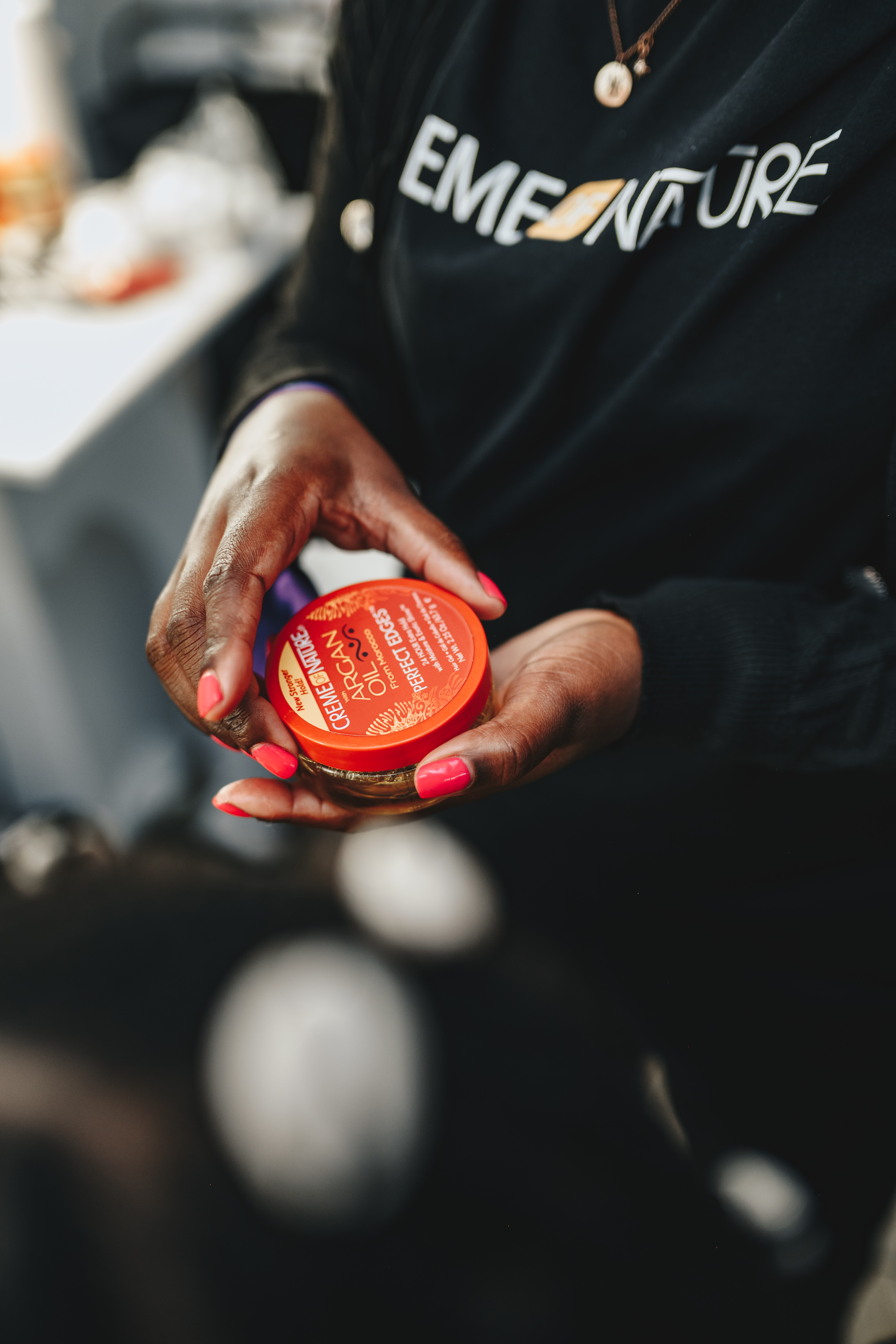
Cultural relevance should come from a genuine point of intersection between the brand, the people and the moment. Creme of Nature’s partnership with the MaXhosa MXS Kulture Festival worked because textured hair, African fashion, identity and heritage naturally belonged in the same world.
Another warning sign is when nobody from the community being represented has meaningful influence over the work. If culture is being interpreted entirely from outside the room, there is a very good chance it will feel like decoration rather than understanding.
People can tell the difference within seconds.
How has working across beauty, fashion, wellness and lifestyle changed the way you understand South African culture and the communities that brands are trying to reach?
It has taught me how impossible it is to speak about a single South African consumer.
This country contains so many overlapping identities, histories, languages, aesthetics and communities. Beauty alone can mean something completely different depending on someone’s age, hair texture, cultural background, geography or lived experience.
Working across fashion, hair, makeup, fragrance and wellness has also shown me how closely consumption is connected to identity. These categories are often dismissed as ‘lifestyle’, but they tell us an enormous amount about aspiration, belonging, self-expression and culture.
It has made me curious rather than presumptuous. I do not think an agency should ever walk into a community believing it already understands everything. Our job is to listen, observe, build relationships and keep learning.
What do you think brands need to do differently if they want to build lasting relationships with African audiences rather than simply generate attention?
They need to stop treating Africa as a market they arrive in and start treating African audiences as people they build with.
That means investing in local insight early, not after a global idea has already been signed off. It means giving local teams, creators and cultural partners real influence rather than using them as the final layer of localisation.
It also means consistency. You cannot appear for one culturally significant moment, run a beautiful campaign and disappear until the next commercial opportunity.
African audiences are sophisticated and globally connected, yet deeply rooted in their own cultures and communities. Brands need to respect both realities.
The long game is simple, but not easy: listen, show up consistently, contribute something meaningful, keep your promises and allow trust to compound.
Why is maintaining intimacy with Elvee important to you when the natural instinct for many businesses is to scale?
Because intimacy is part of the value Elvee offers.
Founder-led means the person who understands the strategy remains close when the work becomes real. I know the client’s pressures, the history behind the decisions, and many of the media, creators, and partners personally.
I am not against growth. I am against growth that removes the very thing people came to us for.
For me, the question is not, ‘How big can Elvee become?’ It is, ‘How much impact can Elvee create without losing its humanity?’
I would rather build a deeply trusted consultancy with strong relationships and exceptional work than chase scale simply because that is what businesses are told they should want. I want Elvee to deepen as it grows.
How do you balance being the strategist, relationship-builder, business owner and person ultimately responsible for the work?
Some weeks I balance it beautifully. Other weeks I absolutely do not, and I think it is important to be honest about that.
Being founder-led means switching between very different versions of yourself in a single day. I can be thinking about a client’s long-term strategy, then negotiating a production cost, checking an invoice, managing a relationship and solving an event problem within a few hours.
What I am getting better at is recognising which parts genuinely require me and which parts I have simply become accustomed to carrying.
I am also learning not to confuse control with care. Caring deeply about the work does not mean I have to personally hold every detail forever.
The balance is still evolving, but the goal is to spend more of my time where I create the most value: thinking, connecting people, protecting relationships and shaping the work.
What has been one of the hardest realities of entrepreneurship that people don’t see behind the polished campaigns and events?
That the beautiful final result can sit on top of an enormous amount of uncertainty that nobody else ever sees.
When you own the business, responsibility does not end with the creative work. There are cash-flow decisions, invoices that arrive late, suppliers who still need to be paid, difficult conversations, mistakes, risks, client pressures and moments when you have to make a decision without knowing whether it is the right one.
Entrepreneurship has probably been one of the most profound personal and spiritual journeys of my life because it constantly shows you where you still need to grow.
It humbles you. It tests your resilience, patience, boundaries, leadership and faith in yourself. You begin believing you are building a business, and eventually realise the business is also building you.
That part rarely makes it into the event photographs, but it has shaped me as much as any successful campaign has.
What do you want Elvee Consultancy to represent five or ten years from now?
I want Elvee to be known for building connection.
I want us to create work that brings people together, particularly women, and gives them spaces to feel seen, heard, celebrated and connected to one another.
I would love Elvee to become synonymous with culturally intelligent brand-building with heart: global brands engaging meaningfully with South African and African culture, local talent being given real platforms, and communities being treated as participants rather than marketing targets.
Internally, I want the same philosophy to be true. I want people who encounter Elvee, whether they are clients, juniors, creators, media, suppliers or collaborators, to feel respected and valued.
Five or ten years from now, I do not necessarily need people to say Elvee became the biggest. I would be incredibly proud if they said Elvee built exceptional work, brought good people together and left the spaces it entered better than it found them.
If growth is no longer simply about becoming bigger, how do you measure growth?
I measure it by depth.
Are the relationships stronger? Are clients trusting us with more meaningful problems? Are the ideas becoming braver and more culturally relevant? Are people returning because the previous experience meant something to them?
I measure it in the quality of the community around the business too. Are we opening doors for people? Are women meeting one another through something we created and continuing those relationships afterwards? Are younger people learning and growing because they were given a seat at the table?
There are commercial measures as well, and they matter. A business has to be sustainable. But revenue without alignment is not the only definition of growth I want anymore.
Personally, I also measure growth by who I am becoming while I build. Am I more grounded? Am I making better decisions? Am I protecting what matters? Do I still recognise myself in the business?
For this chapter of Elvee, growth is not simply more. It is more meaningful, more connected and more intentional.